
Kidney cancer requires accurate diagnosis, careful treatment planning, and appropriate surgical management. Treatment is selected based on the size and location of the tumor, kidney function, overall health, and whether the cancer has spread. Surgical treatment may involve partial or radical nephrectomy, depending on the individual condition.
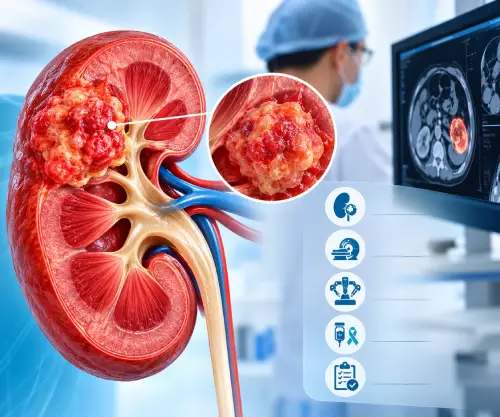
Kidney cancer develops when abnormal cells begin to grow uncontrollably within the kidney. Renal cell carcinoma is the most common type of kidney cancer in adults. Some kidney tumors are discovered incidentally during imaging performed for other medical conditions, while others may be associated with symptoms.
Common symptoms may include blood in the urine, persistent pain in the side or lower back, unexplained weight loss, tiredness, or a noticeable mass in the abdomen. However, many kidney tumors may not cause noticeable symptoms during the early stages.
A detailed evaluation is important before deciding on the most appropriate treatment. Imaging investigations such as ultrasound, CT scans, or MRI may help determine the size, location, and characteristics of a kidney tumor.
Blood and urine tests may also be performed to assess kidney function and overall health. The treatment plan is developed after considering the imaging findings, kidney function, medical history, and other individual factors.
Partial nephrectomy involves removing the kidney tumor along with a small margin of surrounding healthy tissue while preserving as much functioning kidney tissue as possible. It may be considered for selected patients, particularly when the tumor is localized and suitable for kidney-preserving surgery.
The goal of partial nephrectomy is to achieve effective tumor removal while maintaining kidney function. Depending on the location and complexity of the tumor, the procedure may be performed using minimally invasive or robotic-assisted techniques.
Radical nephrectomy involves removal of the entire affected kidney. It may be recommended when the tumor is large, complex, centrally located, or when preserving the affected kidney is not considered suitable.
Before recommending radical nephrectomy, the overall health of the remaining kidney is carefully evaluated. The treatment plan is designed to provide appropriate cancer control while considering long-term kidney function and overall wellbeing.
Selected kidney cancer surgeries can be performed using minimally invasive or robotic-assisted techniques. These approaches use small incisions and specialized instruments to provide enhanced visualization and precise surgical movement.
A Kidney Cancer Surgeon in Pune may recommend robotic-assisted surgery when it is appropriate for the patient's tumor characteristics and overall condition. The choice of surgical approach is made after detailed evaluation and discussion with the patient.
When partial nephrectomy is suitable, kidney-preserving surgery may offer several potential advantages, including:
The suitability and expected benefits of kidney-preserving surgery vary depending on tumor characteristics, kidney function, and the patient's overall health.
Every kidney tumor requires an individualized treatment plan. Factors such as tumor size, location, stage, involvement of nearby structures, kidney function, age, and general health are considered before treatment is recommended.
For localized kidney cancer, surgery may be the primary treatment. In more advanced cases, additional treatments or specialist cancer care may be considered depending on the disease stage and individual circumstances.
Recovery depends on the type of surgery performed, the complexity of the tumor, and the patient's general health. Patients are usually encouraged to gradually increase physical activity according to their surgeon's advice.
Follow-up appointments help monitor recovery, kidney function, and cancer-related outcomes. Regular imaging and other investigations may be recommended based on the individual treatment plan.
Long-term follow-up is an important part of kidney cancer care. Regular monitoring helps assess kidney function and allows the medical team to look for any signs of recurrence or progression when appropriate.
Maintaining healthy blood pressure, managing other medical conditions, following medical advice, and attending scheduled follow-up visits can support long-term kidney health.
Kidney cancer management requires accurate diagnosis, individualized treatment planning, and appropriate surgical care. Partial nephrectomy can help preserve healthy kidney tissue in selected patients, while radical nephrectomy may be appropriate when complete removal of the affected kidney is required. With careful evaluation, modern surgical techniques, and structured follow-up, patients can receive comprehensive care focused on effective cancer treatment and long-term health.