
Irregular periods can involve changes in the timing, frequency, duration, or flow of menstrual cycles. Occasional changes may occur due to lifestyle factors, stress, weight changes, or other reasons, while persistent irregular periods may require medical evaluation.
A detailed gynaecological assessment can help identify possible causes and provide personalised treatment and guidance based on individual health needs and reproductive goals.
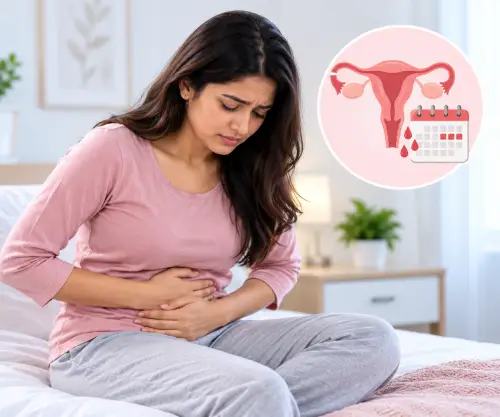
Irregular menstrual cycles can have several possible causes, including hormonal changes, polycystic ovary syndrome (PCOS), thyroid disorders, significant weight changes, stress, excessive exercise, or other gynaecological conditions. Identifying the underlying cause is an important part of effective management.
Evaluation may include a detailed medical and menstrual history, physical examination, and appropriate investigations when required. Depending on the symptoms and individual circumstances, your doctor may recommend blood tests, hormonal evaluation, or imaging studies.
PCOS is a common hormonal condition that can affect menstrual regularity and ovulation. Women with PCOS may also experience acne, excess hair growth, or difficulty with fertility. Appropriate evaluation and personalised management can help address symptoms and support reproductive health.
Treatment for irregular periods depends on the underlying cause and individual needs. Medical management may be combined with lifestyle and nutritional changes to help improve menstrual health and overall well-being.
Regular follow-up can help monitor symptoms, treatment response, and menstrual cycle patterns over time.
Persistent changes in menstrual cycles should not be ignored. Timely evaluation can help identify underlying causes and provide the right treatment and guidance. Personalised gynaecological care can support healthy menstrual and reproductive health.