
Uterine fibroids are non-cancerous growths that develop in or around the uterus. They are common during the reproductive years and may vary in size, number, and location. While some fibroids may not cause symptoms, others can affect menstrual health, comfort, and fertility.
A detailed gynaecological evaluation helps understand the size and location of fibroids and determine the most appropriate treatment based on symptoms, age, overall health, and future pregnancy plans.
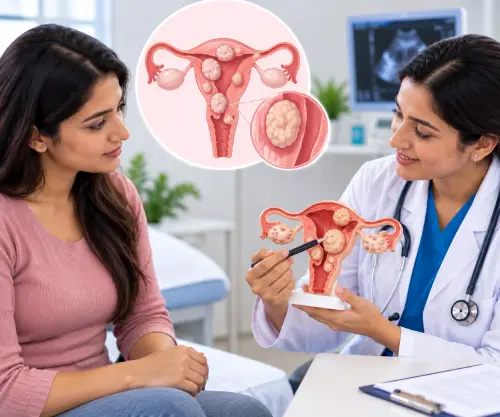
Fibroids are benign growths that develop from the muscular tissue of the uterus. They can occur within the uterine wall, on the outer surface of the uterus, or project into the uterine cavity. Their impact depends largely on their size and location.
Some women with fibroids have no symptoms, while others may experience heavy or prolonged menstrual bleeding, pelvic pressure or pain, frequent urination, abdominal fullness, or difficulties related to fertility.
Depending on their size and location, some fibroids may affect fertility or pregnancy. Women planning to conceive can receive personalised evaluation and treatment planning based on their reproductive goals and individual circumstances.
Treatment depends on the symptoms, size and location of fibroids, age, overall health, and pregnancy plans. Depending on the individual situation, management may include observation, medications, or surgical treatment when medically appropriate.
Regular follow-up can help monitor fibroid growth and symptoms and determine whether treatment needs to be adjusted over time.
Uterine fibroids can be managed effectively with an individualised approach. Timely evaluation, appropriate treatment, and regular follow-up can help manage symptoms while supporting women's reproductive and overall health.